- Email: info@befitistanbul.com
- Free Call: +90 (505) 087 26 78
- Whatsapp: +90 542 109 26 87

Inlays And Onlays
Dental Clinic
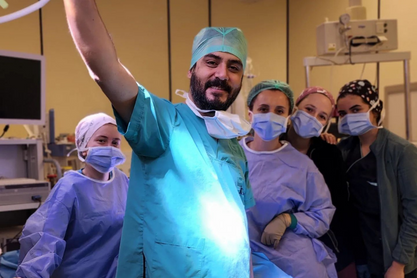
Doctor Yasin U. and his professional team continue to transform lives in BefitIstanbul with his expert touch in Dental Treatments!
The Precision of Inlays and Onlays: Enhancing Dental Health and Aesthetics
Introduction: Understanding Inlays and Onlays
In the realm of restorative dentistry, inlays and onlays emerge as precise and conservative solutions to tooth decay and damage. This article aims to provide an in-depth understanding of inlays and onlays, showcasing their role in restoring teeth's integrity and appearance while maintaining a natural look.
The Art of Inlays and Onlays: A Conservative Approach
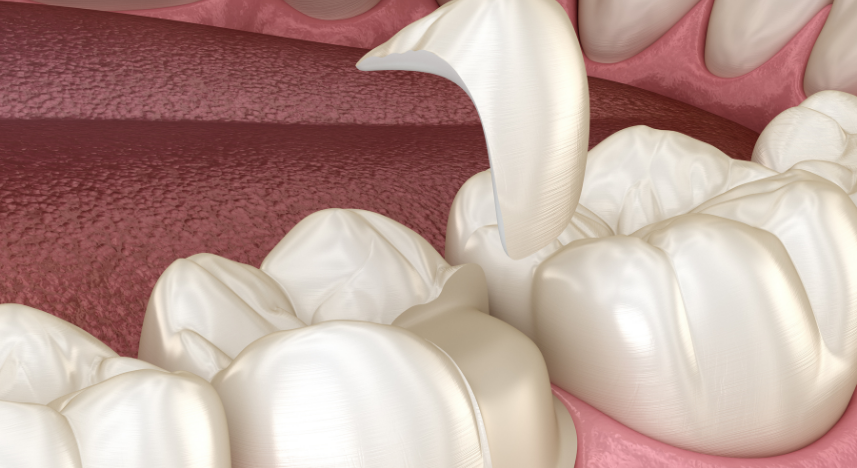
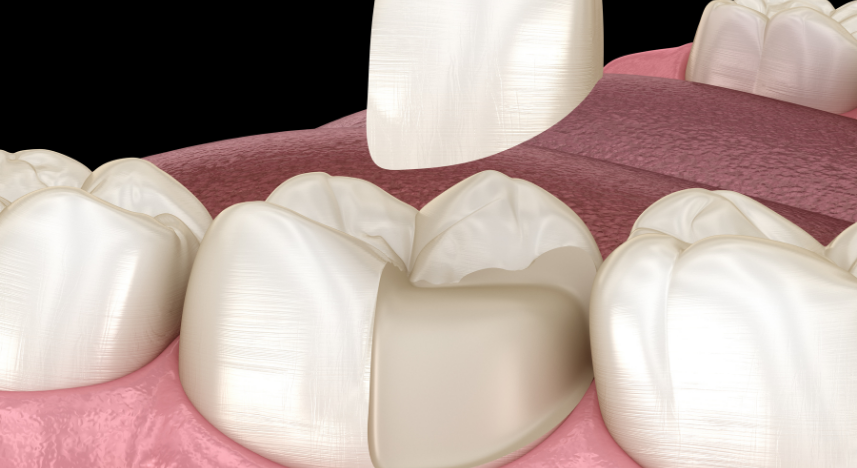
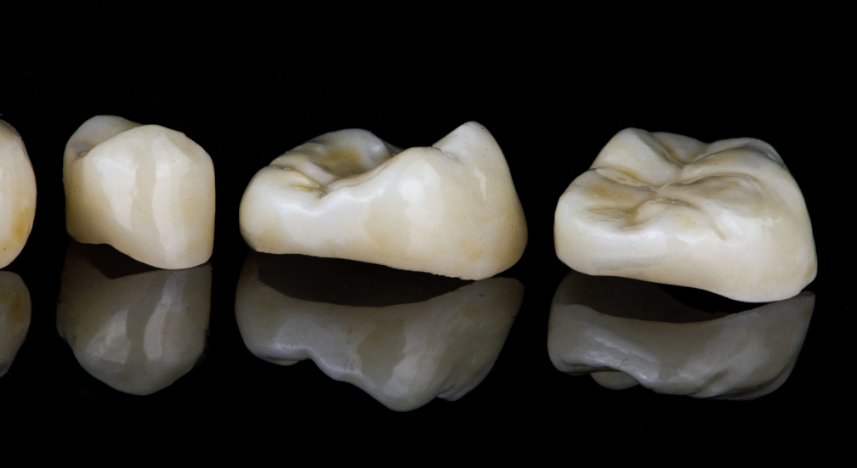
A Tailored Solution for Tooth Restoration: Inlays and onlays are custom-made dental restorations used to repair rear teeth with mild to moderate decay. They can also be used to restore teeth that are cracked or fractured if the damage is not severe enough to warrant a crown. The distinction lies in their coverage: inlays fit within the cusps (or bumps) of a tooth, while onlays cover one or more cusps or the entire biting surface.
Preserving Natural Tooth Structure: Unlike crowns, which cover the entire tooth, inlays and onlays require removing only the decayed or damaged areas. This approach preserves more of your natural tooth, a key benefit for long-term dental health.
Ideal Candidates: Who Benefits from Inlays and Onlays?
Restoring Strength and Function: Candidates for inlays and onlays typically have a tooth with too much damage or decay for a filling but not enough to necessitate a crown. They are ideal for those seeking a durable, long-lasting solution to dental decay or injury, offering a stronger and more substantial restoration than a standard filling.
Commitment to Oral Health: Candidates should maintain good oral hygiene and regular dental check-ups. Inlays and onlays are suitable for patients of all ages and can be an excellent choice for anyone looking to preserve their natural tooth structure while restoring their teeth's function and appearance.
The Benefits: Beyond Traditional Fillings
Durability and Longevity: Inlays and onlays are made from resilient materials like porcelain, gold, or composite resin, which can last much longer than traditional fillings. They are specially crafted to withstand the forces of chewing, making them a reliable long-term solution.
Enhanced Aesthetics: These restorations are not only functional but also aesthetically pleasing. They are crafted to match the natural color of your teeth, ensuring a seamless and natural appearance.
The Procedure: A Step-by-Step Overview
A Process of Precision: The inlays and onlays procedure typically involves two dental visits. During the first visit, the dentist removes the decayed or damaged area and takes an impression of the tooth, which is sent to a dental lab. A temporary sealant is applied to protect the tooth.
Final Fitting and Perfection: At the second appointment, the temporary sealant is removed, and the inlay or onlay is precisely fitted and bonded to the tooth. Adjustments are made as necessary to ensure a comfortable and accurate fit.
Conclusion: A Commitment to Dental Excellence
Inlays and onlays represent a commitment to preserving natural tooth structure while restoring function and aesthetics. They offer a durable, long-lasting, and visually appealing solution to tooth decay and damage. With this guide, you are now equipped with a deeper understanding of inlays and onlays, helping you make informed decisions for your dental health.