- Email: info@befitistanbul.com
- Free Call: +90 (505) 087 26 78
- Whatsapp: +90 542 109 26 87

Breast Reduction
Aesthetic Clinic
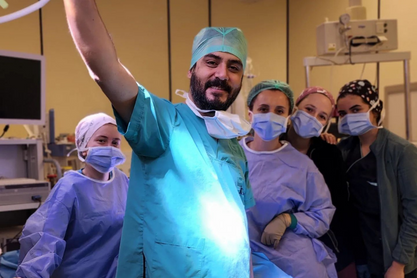
Doctor Gokhan Semerci and his professional team continue to transform lives in BefitIstanbul with his expert touch in Plastic Surgery!

Embracing Comfort and Confidence: The Breast Reduction Journey
Introduction: Understanding the Transformative Power of Breast Reduction
Breast reduction, a procedure often sought for both physical relief and aesthetic enhancement, is a life-altering journey towards comfort and self-assurance. This detailed guide aims to provide an in-depth understanding of breast reduction, spotlighting its ability to alleviate discomfort while enhancing body symmetry and self-image.

The Path to Balance and Relief: What is Breast Reduction?
A Harmonious Blend of Comfort and Aesthetics
Breast reduction, medically known as reduction mammoplasty, is a surgical procedure designed to remove excess breast fat, glandular tissue, and skin. It aims to achieve a breast size in proportion with your body and to alleviate the discomfort associated with overly large breasts. The procedure not only enhances physical comfort but also brings a more balanced and aesthetically pleasing appearance.
Customized for Your Unique Journey
Each breast reduction surgery is tailored to the patient's specific needs. The surgeon will consider your body shape, the amount of reduction desired, and your personal goals to ensure the outcome is both functional and aesthetically pleasing.
Ideal Candidates: Is Breast Reduction Right for You?
A Step Towards Enhanced Well-being: Ideal candidates for breast reduction are those experiencing physical discomfort due to large, heavy breasts. Symptoms may include back and neck pain, skin irritation, and posture issues. The procedure is also beneficial for those who feel self-conscious or face limitations in physical activity due to the size of their breasts.
Commitment to Health and Wellness: Candidates should be in good overall health, non-smokers, and have realistic expectations about the results. It's essential to approach the procedure as a step towards overall well-being, not just a cosmetic change.
The Gift of Transformation: Unveiling the Benefits
Rediscovering Comfort and Confidence
The most significant benefit of breast reduction is the relief from physical discomfort, including pain in the neck, back, and shoulders. Many women find a new sense of freedom in physical activities and experience less skin irritation and indentations from bra straps.
A New Chapter in Self-Image
Beyond physical comfort, breast reduction often leads to a more positive body image and increased self-confidence. Clothes fit better, and women feel more proportionate, enhancing overall life satisfaction.
The Surgical Journey: What to Expect
A Personalized Approach
Performed under general anesthesia, breast reduction involves the removal of excess breast tissue and skin. The nipples may be repositioned, and the areolas resized to create a more natural appearance. The procedure typically takes 2-3 hours, depending on the extent of the reduction.
Navigating the Recovery Process
Recovery time varies, but most patients can return to work and normal activities within a few weeks. Surgeons provide detailed post-operative care instructions to ensure a smooth and effective healing process.
Post-Procedure: Navigating the Aftercare
A Partnership in Recovery
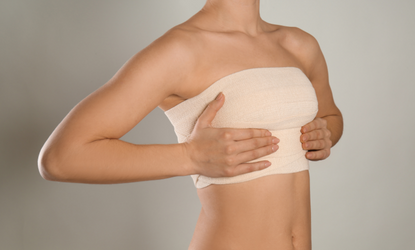
Adhering to aftercare instructions is crucial for healing. This may include wearing a special support bra, taking prescribed medications, and avoiding strenuous activities. Proper aftercare is essential for minimizing scarring and achieving optimal results.
Concluding Thoughts: A Step Towards a Balanced Life
Breast reduction is more than a surgical procedure; it's a transformative step towards a life of greater comfort, confidence, and health. This comprehensive guide aims to equip you with the knowledge and understanding needed to make an informed decision about embarking on this life-changing journey.